October 27, 2026
A roof has to withstand more than the storm that makes a homeowner notice it. Summer heat, wind-driven rain, and winter precipitation place different demands on its materials, while ordinary wear can gradually weaken areas that once shed water reliably. A problem may remain unnoticed until changing weather exposes it, leaving homeowners dealing with a leak when they least expect one. Protecting the house throughout the year starts with understanding how those pressures affect the roof over time.
Experienced roofing contractors turn that understanding into decisions about inspections, repairs, and replacement. Their work helps distinguish a damaged section that can be repaired from deterioration that calls for a broader solution. For homeowners, that means responding to the roof's actual needs before another season of exposure makes an existing problem harder to address.
Find Vulnerable Areas Before Water Reaches the Interior
A ceiling stain is a reason to request professional attention, but it is not the only indication that a roof needs evaluation. Damaged shingles and loose metal panels can leave openings before water becomes noticeable inside. Inspections give homeowners a way to identify those vulnerabilities without climbing onto the roof or attempting repairs themselves. After severe weather, an assessment can also clarify whether the roof sustained damage despite appearing unchanged from the ground.
The explanation that follows an inspection matters as much as identifying a defect. During that discussion, roofing contractors can explain how a damaged area affects water shedding and what a repair would correct. Detailed reports provide a record of the findings and a useful reference when discussing the work. Instead of leaving the homeowner with a general warning about roof wear, an assessment can identify the particular concern that needs attention and explain why it matters. Distinguishing an active leak from less urgent wear also separates findings that require a prompt response from those relevant to longer-term planning.
Limit Further Exposure With Appropriate Repairs
Once roofing material is damaged, each additional period of rain can expose the affected area to more moisture. Water may reach materials below the outer covering, increasing the extent of the problem even when the original opening is small. Prompt repair reduces the time that section remains vulnerable. This is especially important when storms arrive close together and an unresolved defect faces repeated exposure.
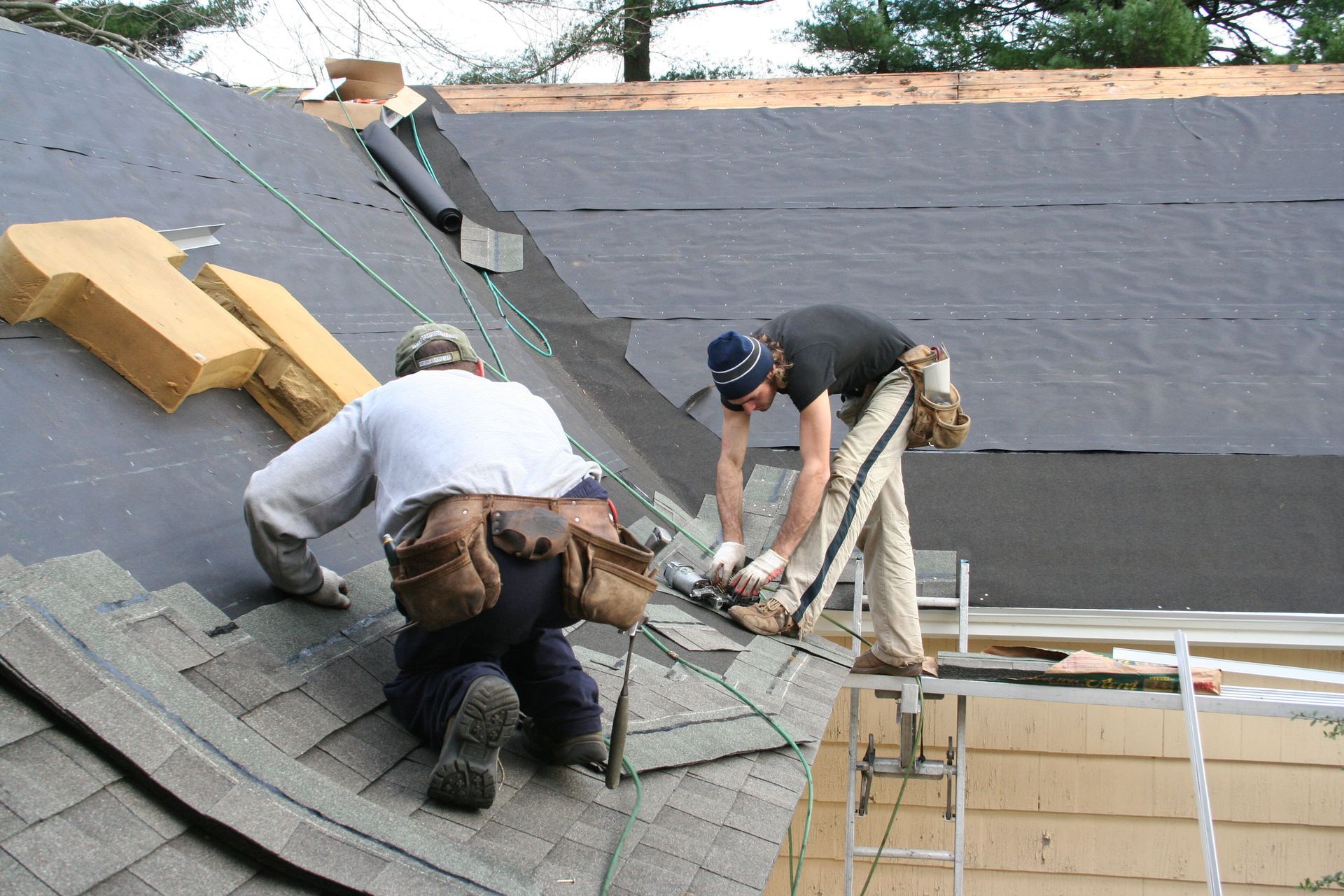
The repair itself needs to suit the material. Replacing damaged asphalt shingles addresses a different problem from repairing loose metal panels, leaks, or rust spots. Relevant experience allows roofing contractors to assess what has failed and determine which work addresses that failure. A secure metal panel, for instance, may still need repair if deterioration elsewhere in that section allows water to enter the home during rainfall.
Storm damage sometimes creates a concern that cannot reasonably wait for a routine appointment. Emergency roofing services offer professional attention for urgent problems, including sudden leaks and substantial damage. Homeowners can describe when water appeared and whether the problem changes during rainfall to help explain the situation. Those observations provide context while leaving diagnosis and repair to the professionals.
Address Heat and Moisture Beneath the Surface
An intact outer covering is only part of a roof's performance. Conditions beneath it also matter, particularly when heat and moisture accumulate in the attic. Inadequate ventilation can contribute to premature deterioration, making airflow relevant even when no leak is visible. Professionally designed ventilation systems help regulate attic temperature and moisture in a way that suits the home.
That role changes with the weather. During warm periods, ventilation helps release accumulated attic heat, while moisture management remains relevant as temperatures fall. In winter, uneven roof temperatures can contribute to ice dams, which may interfere with drainage and allow water to back up beneath roofing materials. Ventilation can help address some of the conditions involved, although ice dam formation can have several causes. Understanding that relationship keeps the focus on an appropriate airflow solution rather than assuming every winter roofing problem has the same answer.
Carry Roof Runoff Away From Vulnerable Areas
Rainwater does not stop affecting the home when it reaches the roof's edge. Gutters need to collect that runoff and direct it away from the property, including the ground beside the foundation. A leaking joint or sagging section can interrupt the route and repeatedly release water where it should not fall. The result may be noticeable during rainfall even when the roof covering itself remains intact.
Repairing gutter leaks and realigning sagging sections helps restore that drainage path. Where a new system is needed, professional gutter installation supports the same goal of moving roof runoff away from vulnerable areas. For example, a sound roof above a damaged gutter can still send water toward exterior surfaces below. Repeated runoff beside the foundation makes the gutter defect relevant to more than the appearance of the roofline or the condition of the gutter itself. Considering both parts together shows why effective drainage remains important even after a roof has been repaired or replaced.
Recognize When Repeated Repairs Are No Longer Enough
A roof's age provides context, but it does not settle whether replacement is necessary. The extent of deterioration and the roof's ability to function after repair are more useful considerations. An isolated damaged area may call for limited work, while widespread problems can make another repair insufficient. Professional evaluation helps distinguish those situations so the decision rests on the roof's condition rather than a single symptom.
Recurring leaks deserve particular attention because another patch may not address the full problem. Experienced roofing contractors can explain whether the damage remains repairable or whether replacement offers a more appropriate response. Where replacement is recommended, the explanation should address why limited repairs would leave significant deterioration unresolved. That discussion creates an opportunity to plan needed work before another weather event turns a known concern into an urgent disruption.
Match New Roofing to the Home's Needs
Roof replacement brings material selection and installation experience into the same decision. According to Fixr, the U.S. roofing contractors market recorded average annual growth of 2.2% on a compounded basis between 2020 and 2025. Within that expanding industry, the work relevant to an individual home depends on its roof design, weather exposure, and material requirements. A replacement is an opportunity to bring those considerations together so the new system suits the conditions it will face.
Asphalt shingles, cedar shakes, and metal offer different roofing options, while TPO may suit flat or low-slope roofs. Guidance through material selection helps homeowners understand which choices fit their property before installation begins. Material-specific workmanship then matters in carrying out that choice, including precise fitting and secure fastening for metal roofing. The connection between selection and installation is what makes the decision useful beyond appearance, supporting the roof's ability to protect the home through changing seasons.
Experience with the selected manufacturer's products is another relevant consideration for asphalt shingle installation. When roofing contractors understand the system they are installing, material selection and workmanship can reinforce each other. A shingle chosen for the home's weather exposure still needs appropriate installation to provide the protection that made it a suitable choice.
A roof does not need identical attention every season, but known problems deserve a response that matches their seriousness. Acting on clear findings helps homeowners prepare for changing weather with a better understanding of what their roof can withstand. At Alamo Roofing, we assess roofing concerns and help determine whether repair or replacement fits the condition we find. Contact us to arrange an inspection and discuss the work your roof may need.